Space It Up! participated in the LPSC 2026, where Spoke 9 contributed with several scientific works.
Spoke 9 of the Space It Up! project participated in the 57th Lunar and Planetary Science Conference (LPSC 2026), held on March 16-20, 2026, one of the leading international events in planetary science, lunar research, and space exploration. The conference brought together experts worldwide to present the latest advances in Moon studies, hyperspectral data analysis, and space technologies.
In this context, Spoke 9 contributed several scientific works focused on lunar hyperspectral data analysis, machine learning applications for space data, and broader planetary science research.
Among these contributions, the work by Federico Colaiuta, a PhD student within the Space It Up! project, was selected for an oral presentation at LPSC 2026. The study introduced LENNA (Lunar thermal-Emission Neural Network Approach), a supervised machine-learning method designed to remove thermal emission from Moon Mineralogy Mapper (M³) hyperspectral data. This approach improves the estimation of lunar surface temperature and enhances the detection and analysis of hydroxyl and water signatures on the Moon.
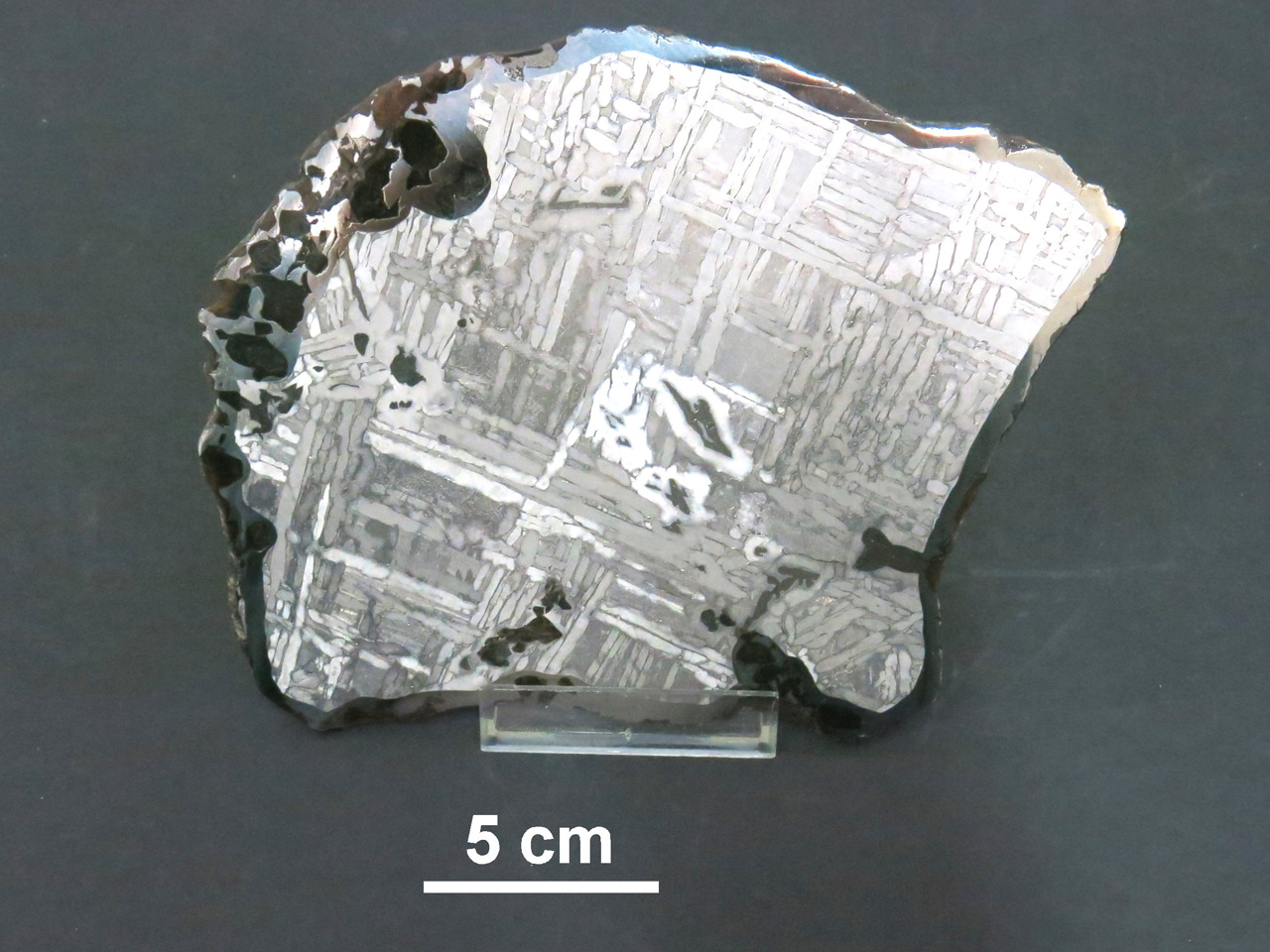
In addition to the oral presentation, Spoke 9 presented several poster contributions covering key topics in planetary science, including lunar surface processes, hydration dynamics from hyperspectral data, meteorite mineralogy, and 3D geological modeling for planetary subsurface exploration.
All contributions from Space It Up! at LPSC 2026 are available below.